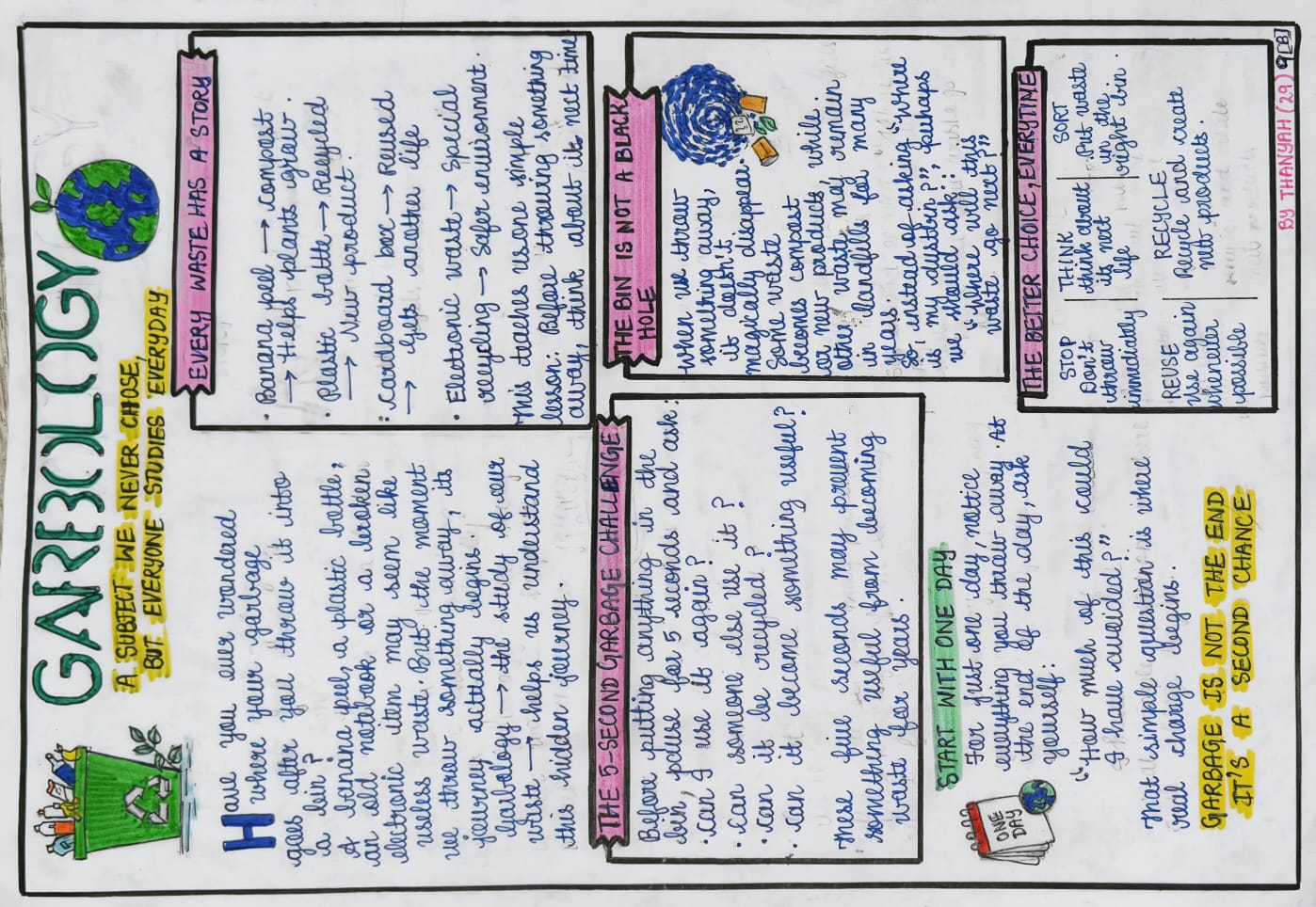
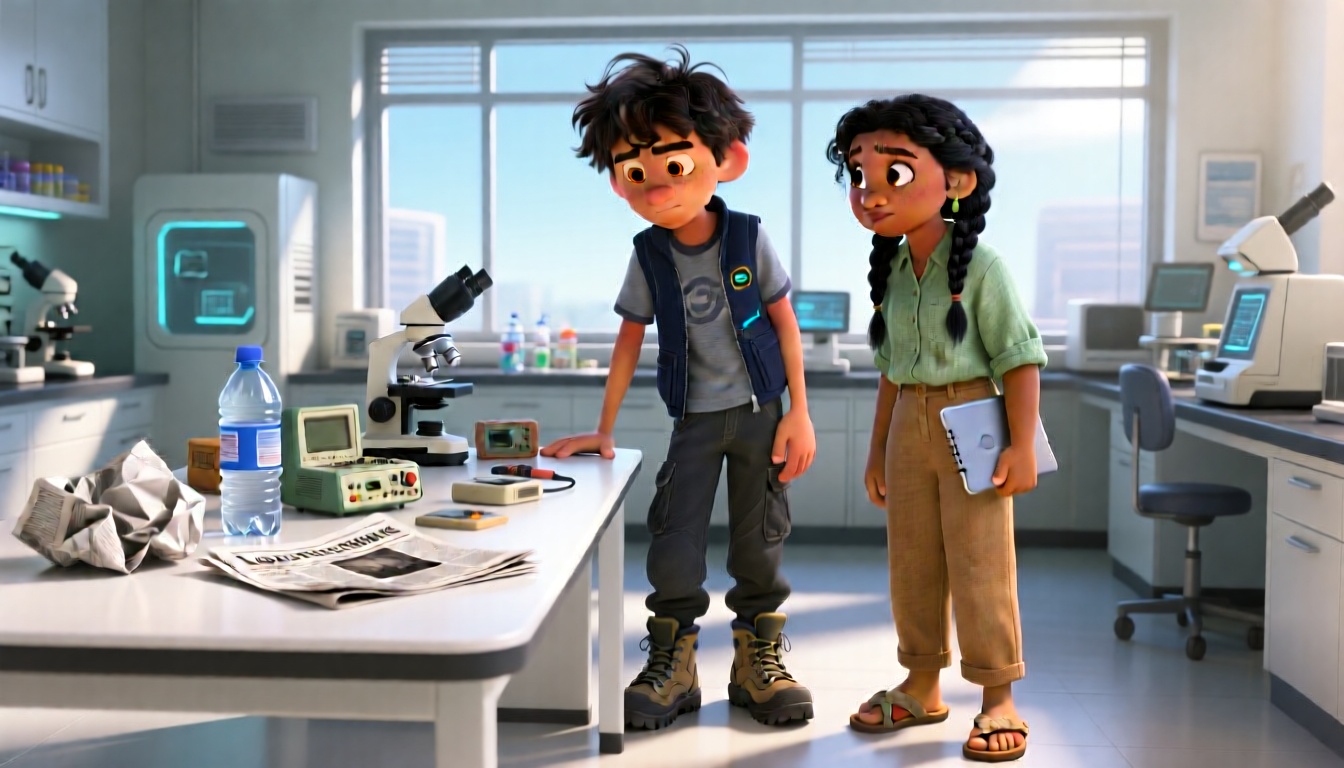
Have you ever wondered what happens to the things we throw away? From food scraps and plastic wrappers to old newspapers and broken gadgets, our garbage tells an interesting story about the way we live. The study of garbage and what it reveals about human habits is known as garbology.
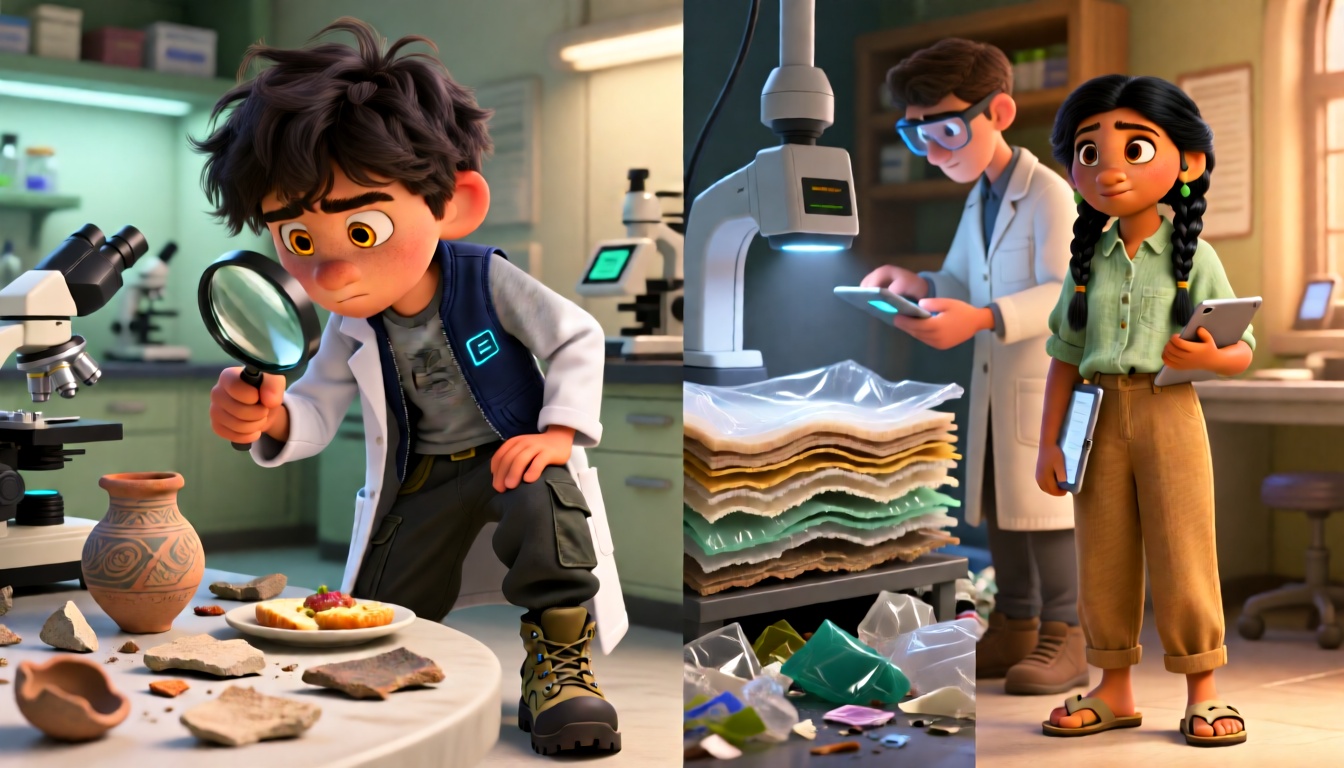
Garbology involves examining waste to understand patterns of consumption, lifestyle, and environmental impact. Scientists, researchers, and archaeologists can study rubbish to discover what people eat. In this way, garbage becomes more than something that needs to be thrown away—it becomes a source of valuable information.
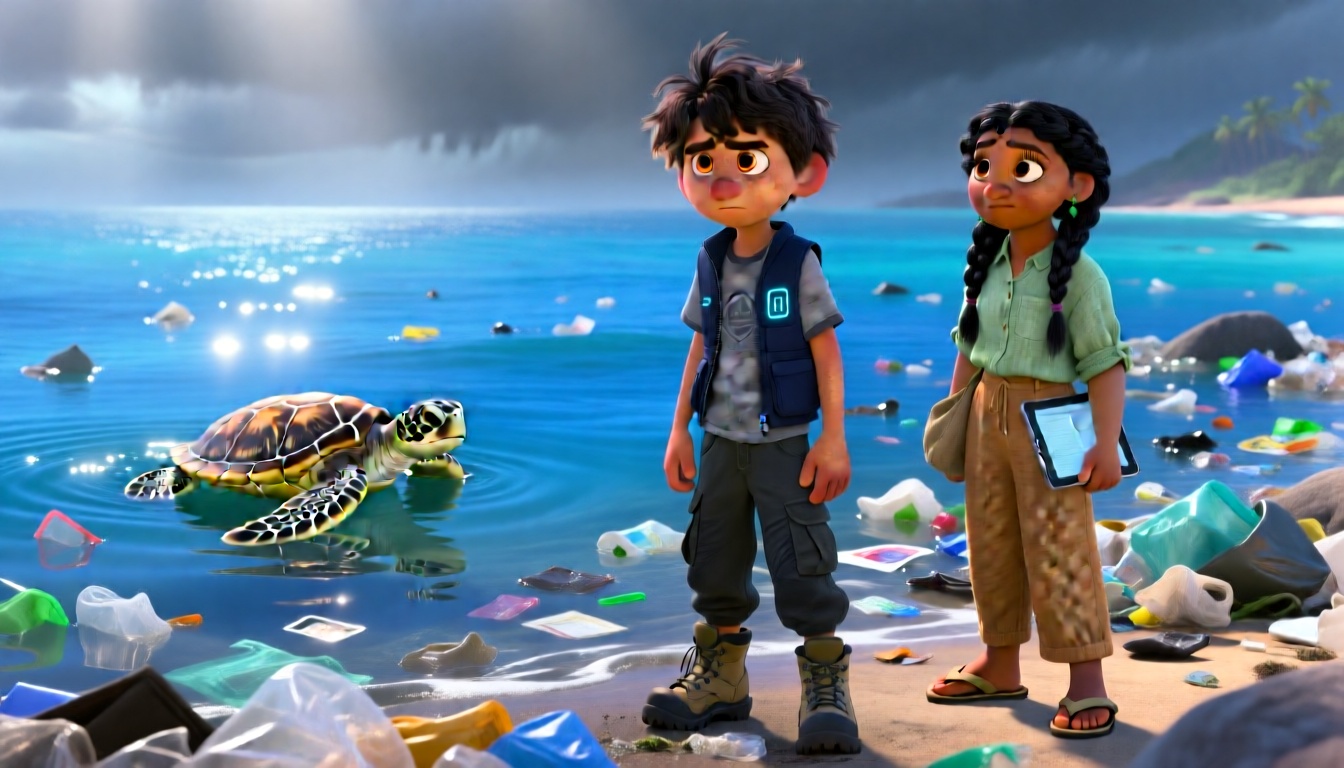
One of the biggest problems revealed through garbology is the enormous amount of waste produced every day. Plastic, especially single-use plastic, can remain in the environment for many years and harm animals and ecosystems. Food waste is another major concern because large quantities of edible food are thrown away while many people still struggle to get enough to eat.
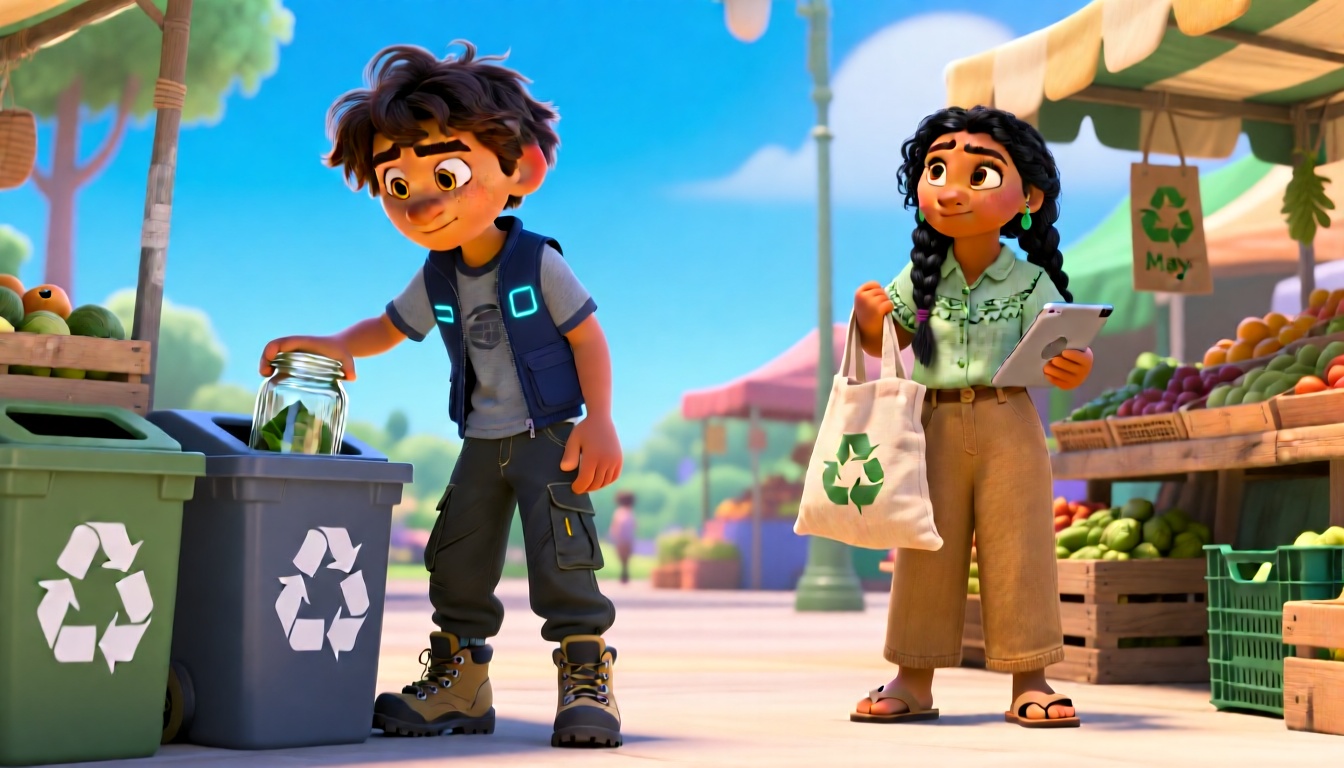
Garbology also teaches us that managing waste is not only the responsibility of governments and sanitation workers. Individuals can make a difference by following the 3 R’s: Reduce, Reuse, Recycle. Carrying reusable bags and bottles, avoiding unnecessary packaging, composting food waste, and separating recyclable materials are simple steps that can reduce the amount of garbage sent to landfills.
Most importantly, garbology makes us think about our everyday choices. The things we throw away today can affect the environment for years to come. If our garbage reflects our habits, then changing what we throw away can help change the future.
Our garbage may seem worthless, but it has a story to tell. The question is: are we willing to listen?
Shikha S. Prabhu
Grade 9P3, Eco Ambassador
Student Voice: Ideas for a Greener Future